A clean, clear, and concise dance resume is a vital part of the audition process. Whether you’re a pre-professional dancer, a freelance artist, or applying for your first company contract, your resume offers artistic staff an instant window into your training, experience, and professionalism.
Here at BalletScout, we help dancers prepare for every step of audition season — and that includes helping you stand out on paper. Use this guide to craft a resume that presents you as polished, prepared, and ready to perform.
At the top of your resume, include:
- Full name
- Date of birth and age (as of the audition year)
- Height
- Citizenship or visa status (if relevant)
- Email address and phone number
- Optional: professional social media handles (Instagram, YouTube, etc.)
- Thumbnail headshot — this can help directors associate your name with your face during review
Keep this section compact and easy to locate at a glance.
You may choose to include a short opening statement — one to three sentences summarizing your goals and what you’re seeking. This could look like:
“Dedicated pre-professional dancer seeking placement in a contemporary ballet company. Passionate about collaborative work and exploring both classical and neoclassical repertoire.”
Not required, but it can help personalize your application.
This section is essential — it communicates your artistic voice and stage experience. List your performance roles, starting with the most recent. Include:
- Piece name (with choreographer and/or stager)
- Role
- Company or school
- Month and year
Example:
The Nutcracker (George Balanchine), Dew Drop, Miami City Ballet, December 2024
Younger dancers may have smaller roles or ensemble experience — that’s perfectly fine. If your list is long, prioritize soloist roles, originated work, or collaborations with well-known choreographers.
List your company experience in this order:
- Company name
- Rank (e.g., corps de ballet, apprentice, soloist)
- Dates of employment
- Artistic Director and artistic staff
Example:
San Francisco Ballet, Corps de Ballet, 2022–2024
Artistic Director: Tamara Rojo
Artistic Staff: Antonio Castilla, Joanna Berman, Ricardo Bustamante, Tina LeBlanc, Katita Waldo
Include your year-round schools, summer intensives, private coaching, and workshops. For each, list:
- School or program name
- Instructor(s)
- Training method (Vaganova, RAD, Balanchine, Cecchetti, etc.)
- Dates attended
This section highlights any competitive success or merit-based recognition. Include:
- Award or scholarship name
- Organization that granted it
- Year received
Examples:
First Place, YAGP Regional Classical Category – 2023
Full Scholarship, ABT Summer Intensive – 2022
List these in reverse chronological order.
This final section connects you with your mentors, collaborators, and artistic supporters. Include choreographers, coaches, instructors, or directors who could serve as references.
For each, list:
- Full name
- Affiliated school or institution
- Contact information (if you have permission to include it)
This section shows both your network and who might vouch for your talent and professionalism.
- Keep your resume to one page
- Use consistent formatting and avoid clutter
- Export your resume as a PDF to preserve formatting
- Save different versions for different applications (e.g., school vs. company)
Your dance resume is more than a document — it’s a professional snapshot of your artistic journey. With a well-organized and thoughtfully composed resume, you’ll be prepared for any audition, job opportunity, or application that comes your way.
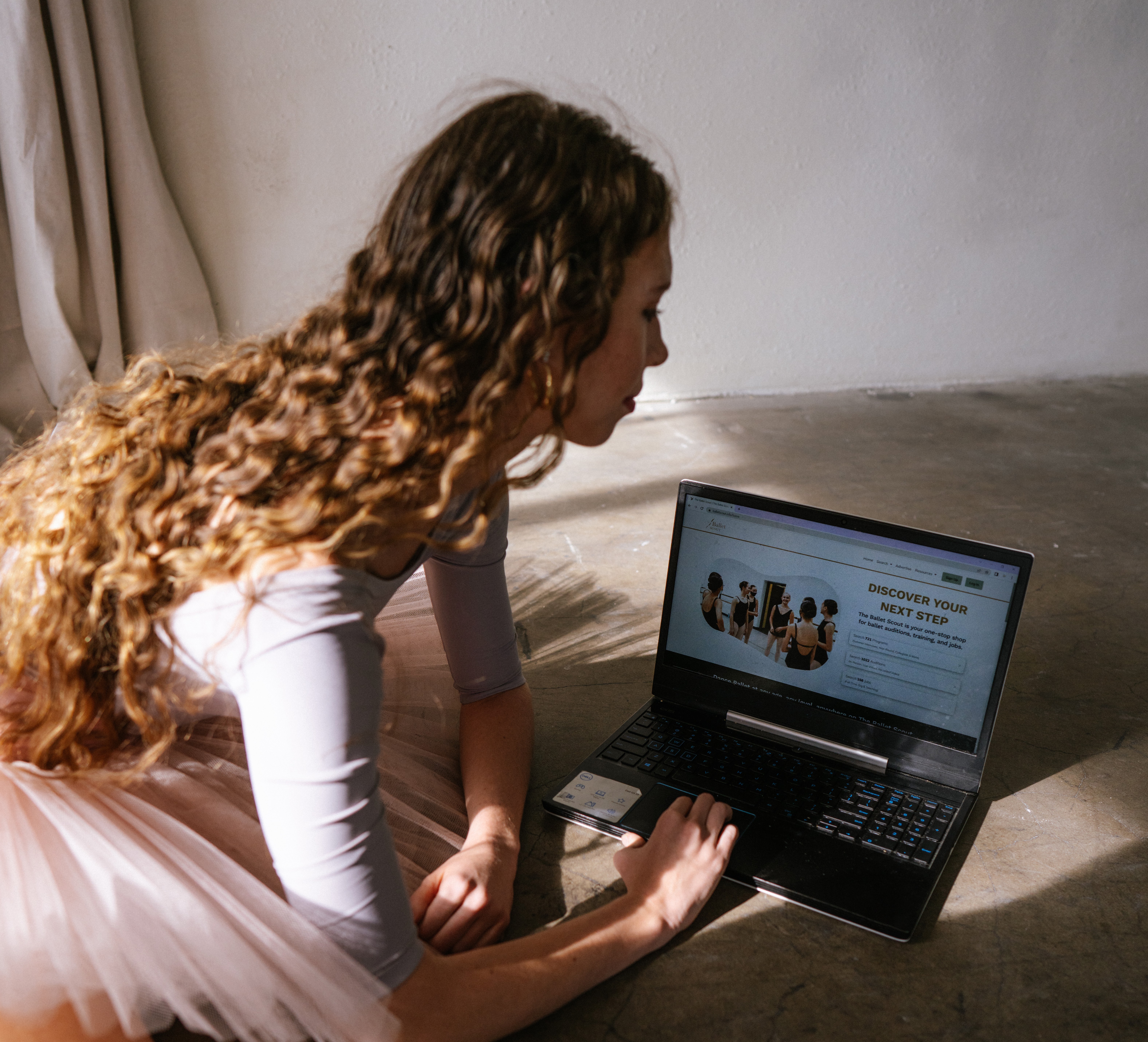
Ready to put your resume to use? Visit BalletScout to find hundreds of up-to-date auditions, jobs, and ballet programs — all searchable with detailed filters to match your goals.
 Instagram
 Facebook
 YouTube
 TikTok